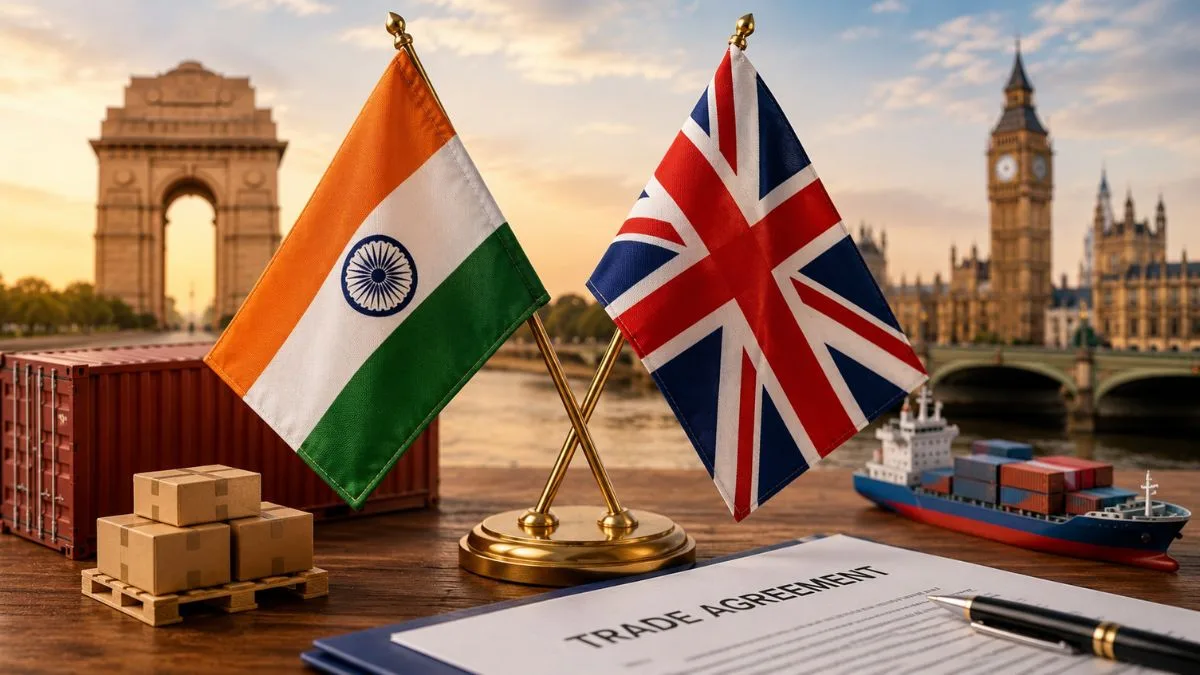
India and the United Kingdom have brought their landmark Comprehensive Economic and Trade Agreement (CETA) into force, unlocking near duty-free access for most Indian exports while removing double social security contributions for professionals on temporary assignments in the UK.
The agreement, announced on Wednesday, is expected to benefit exporters across manufacturing, agriculture and services, besides reducing costs for Indian professionals working in Britain for limited periods. The accompanying Agreement on Social Security also becomes operational from Wednesday.
Advertisement
📊 India-UK Trade Deal: At a Glance
| Indian exports getting zero-duty access |
Nearly 99% |
| Trade value covered |
Almost 100% |
| Tariff lines India will reduce/eliminate |
90% |
| Tariff lines becoming fully duty-free |
85% over 10 years |
| Negotiation rounds |
14 |
India-UK CETA offers zero-duty access for most Indian exports
Union Commerce and Industry Minister Piyush Goyal said the agreement provides zero-duty market access for nearly 99 per cent of India’s exports and covers almost the entire value of bilateral trade.
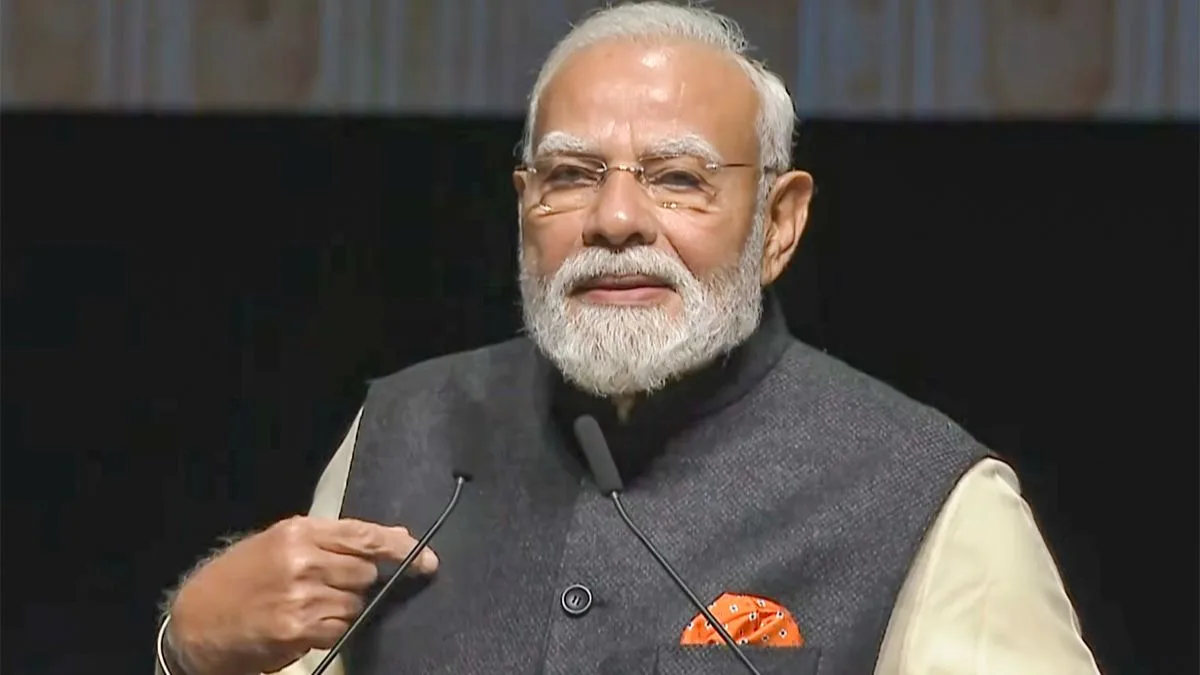
“Today marks a defining milestone in India-UK ties. Under the dynamic leadership of PM Modi, the India-UK Comprehensive Economic and Trade Agreement (CETA) and the Agreement on Social Security have come into force,” Goyal said in a post on X.
According to the minister, the agreement is expected to create opportunities for sectors including textiles, leather, gems and jewellery, engineering goods, chemicals, marine products and processed food. He said MSMEs, farmers and manufacturers are also expected to benefit.
Goyal added that India’s information technology, professional, financial, education and business services sectors would gain greater access to the UK market while mobility for Indian professionals would also expand.
Social security agreement reduces costs for temporary workers
The accompanying social security agreement exempts Indian professionals posted to the UK on temporary assignments from paying double social security contributions for up to five years, provided they continue contributing to India’s social security system.
Goyal said the provision would improve the global competitiveness of India’s workforce.
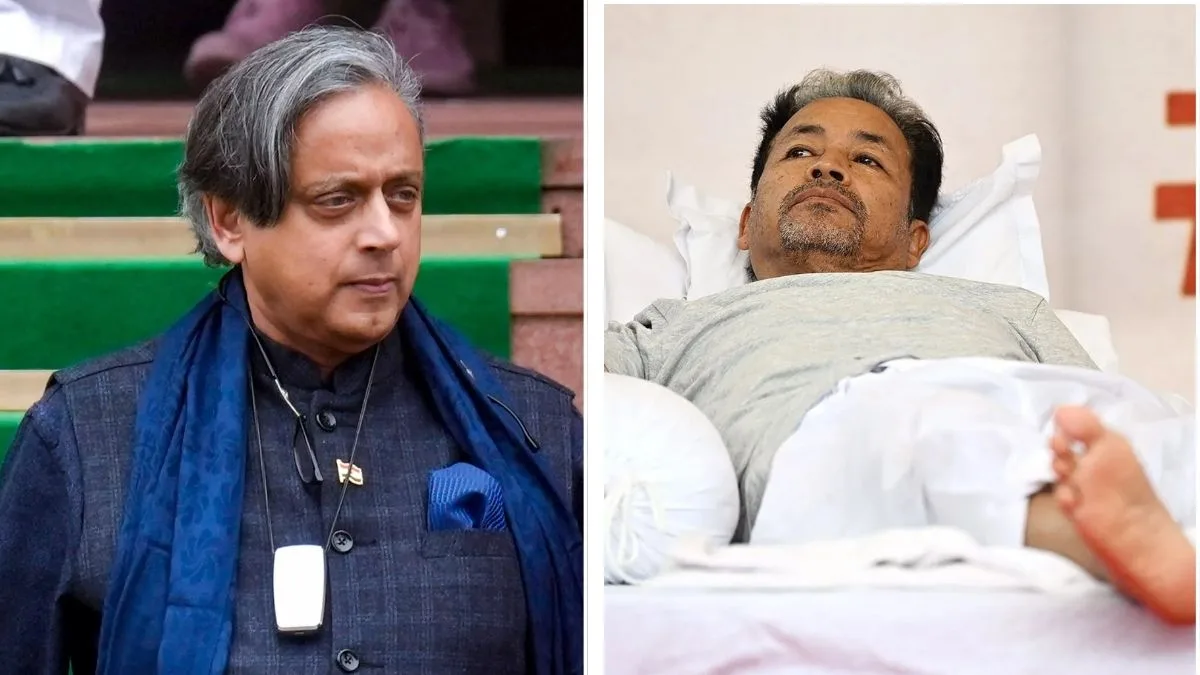
Speaking to ANI, Harjinder Kang, the UK’s Trade Commissioner for South Asia and former chief negotiator for the India-UK Free Trade Agreement, said the arrangement would lower the financial burden on professionals moving between the two countries.
“It would encourage more two-way traffic because the cost burden would be lower,” Kang said.
“It directly affects the pockets of individuals moving between countries, as they would no longer have to pay two sets of social security contributions.”
He said the exemption period was extended during negotiations from 36 months to 60 months.
“If a company like Tata or Infosys is sending engineers, managers, or other professionals to the UK for a couple of years on a temporary assignment, this is where they would benefit,” Kang said.
💼 What Changes for Indian Professionals?
No Double Contribution
Indian professionals on temporary UK assignments will not have to pay social security contributions in both countries for up to five years, provided they continue contributing in India.
Who Benefits?
- 75,000+ professionals
- 900+ companies
- IT & ITES
- Healthcare
- Financial services
- Education
- Engineering
New Mobility Openings
- 1,800 annual opportunities
- Indian chefs
- Yoga instructors
- Classical musicians
- 137 services sub-sectors covered
Tariff cuts to be phased in on British goods
The agreement also lowers tariffs on several British products entering India, although reductions for many items will be implemented gradually.
Tariffs on Scotch whisky will fall from 150 per cent to 75 per cent initially before reducing to 40 per cent over the next decade. Duties on British automobiles will also be lowered through a quota-based mechanism.
India will reduce or eliminate tariffs on 90 per cent of tariff lines under the agreement, while 85 per cent of those tariff lines will become completely duty-free over the next 10 years.
The pact was signed on July 24, 2025, after 14 rounds of negotiations. It covers 30 chapters spanning trade in goods and services, digital trade, financial services, intellectual property, innovation, sustainability and government procurement.
🏭 Biggest Winners Under the India-UK FTA
🌾 Agriculture & Food
- Most agri exports get zero-duty access.
- 97.1% of processed food tariff lines become duty free.
- Chicken, pork, eggs, rice and sugar are excluded.
🧵 Manufacturing
- Textiles & clothing
- Leather
- Engineering goods
- Chemicals
- Furniture
- Sports goods
💎 Export Industries
- Gems & jewellery
- Marine products
- Electronics
- MSMEs
- Farmers
- Manufacturers
UK says steel safeguards are not aimed at India
Addressing concerns over steel exports, Kang said the UK’s safeguard measures are designed to protect domestic producers from unfairly priced imports and are not directed at India.
“The steel safeguards that the UK has put in place are essentially designed to protect the industry from overseas dumping. It has nothing to do with India. It is not an anti-India measure in any shape or form,” he said.
According to Kang, only around 15-20 per cent of the categories of steel exported by India fall within the affected segment, while the majority of shipments remain outside the safeguard measures.
He also clarified that the UK’s Carbon Border Adjustment Mechanism (CBAM) was never part of the trade negotiations.
“We made it clear from day one that CBAM was never part of the FTA. It was not discussed as part of the agreement. We will address it if and when it comes,” he said.
Goyal thanked UK Secretary of State for Business and Trade Peter Kyle and the negotiating teams of both countries for concluding what he described as a transformational agreement.